Gardens and I have had a complicated relationship. The idea of a garden sounds really great in Michigan in May when its just warm enough to want to be outside but not so hot that weeding is a terrible chore. But as July approaches and temperatures in Mid-Michigan sore into the high 80s, my interests often stray away from the land and toward the lake.
Luckily for me, Quito has a much milder summer climate, so I decided to start my first small vegetable-growing venture. Growing my own vegetables is something I have wanted to do since reading Barbara Kingsolver’s Animal Vegetable Miracle—an excellent read for anyone that loves stories about science, food, and family. In the book, she commits to 1 year of local food and describes her experience in the context of a larger issue: the lack of sustainability in US’ food systems.
Similarly in Ecuador, the divide between consumers and producers is widening and supermarkets are gaining more and more influence on what urban families serve at the dinner table. As a result of rapidly growing cities, Ecuador is beginning to experience the same negatives impacts as Americans: fewer healthy choices and disconnect between the farmer and the food.[1]
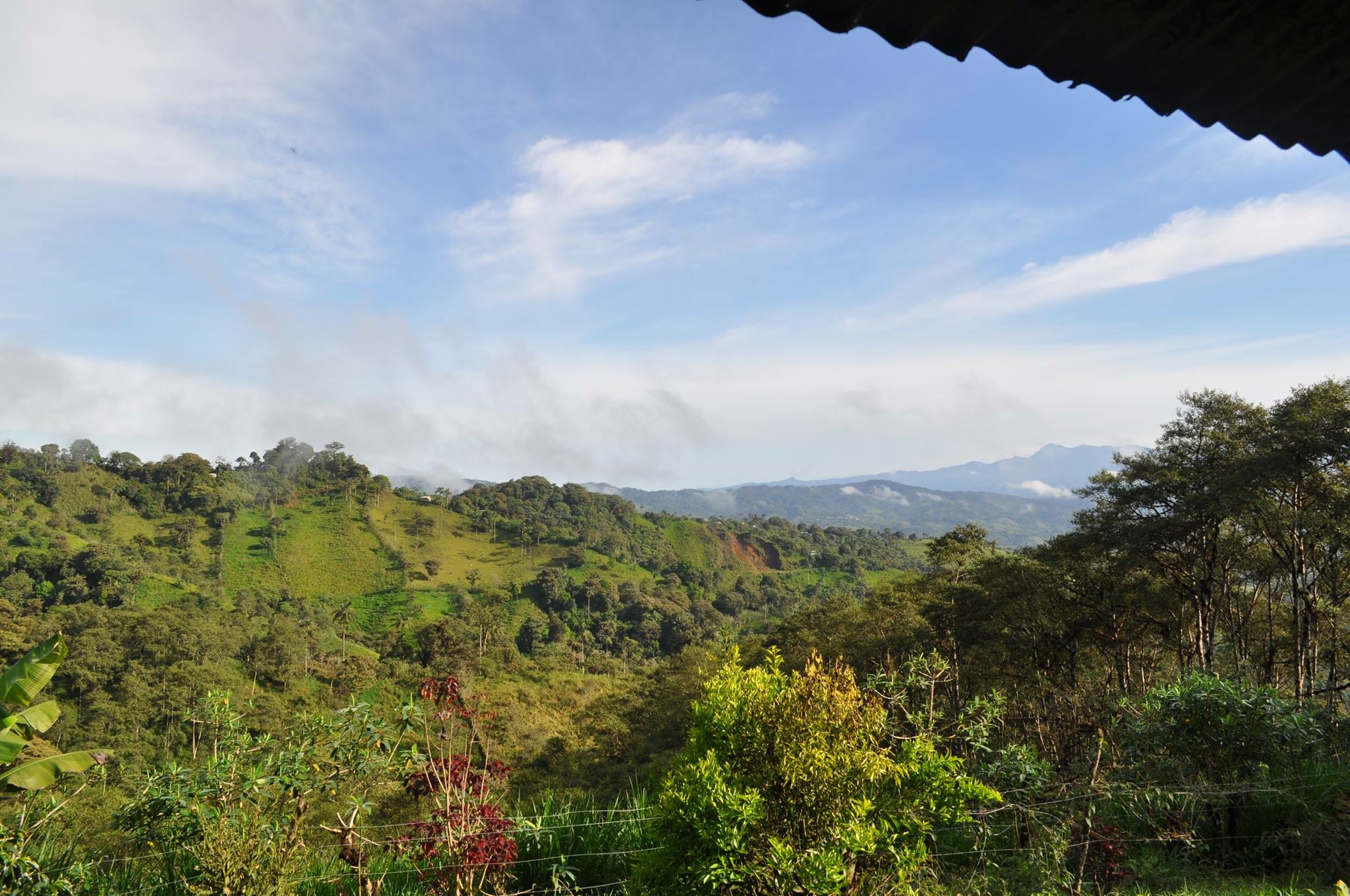
Fortunately, the Andean climate offers producers year-round cultivation and, since Ecuador is so small and importers are heavily taxed, local (or at least national) produce is often the most economical choice. The problem is the middleman—because the large grocery chains offer a level of convenience, consistency, and security not often found in local markets, smallholder farmers are increasingly dependent on them and their wholesale prices. Farmers lose income and their children lose interest in the family business, venturing into the city for more financially rewarding work.
In response, networks of producers and customers have emerged, and, mercifully, much faster than the local food movement in the US. “Canastas Comunitarias,” which translates to community baskets, are farmers’ markets held in cities all over Ecuador.[2] These local food hotspots started in 1987 with 25 rural families in Riobamba (shown on the map below) that wanted to improve their income and access to healthy food in their city. Now organized and supported by Ecuadorean NGOs Fundación Utopía and EkoRural, the Canastas Comunitarias function as an association: members pay a nominal fee to join and share in the profits and costs of the markets. And unlike organic markets in the US, hundreds of people from all social and economic classes can be found at the “community baskets.”[3]The success of “Canastas Comunitarias” is certainly a testament to the power of community organizing and the desire that all people have for good quality food.
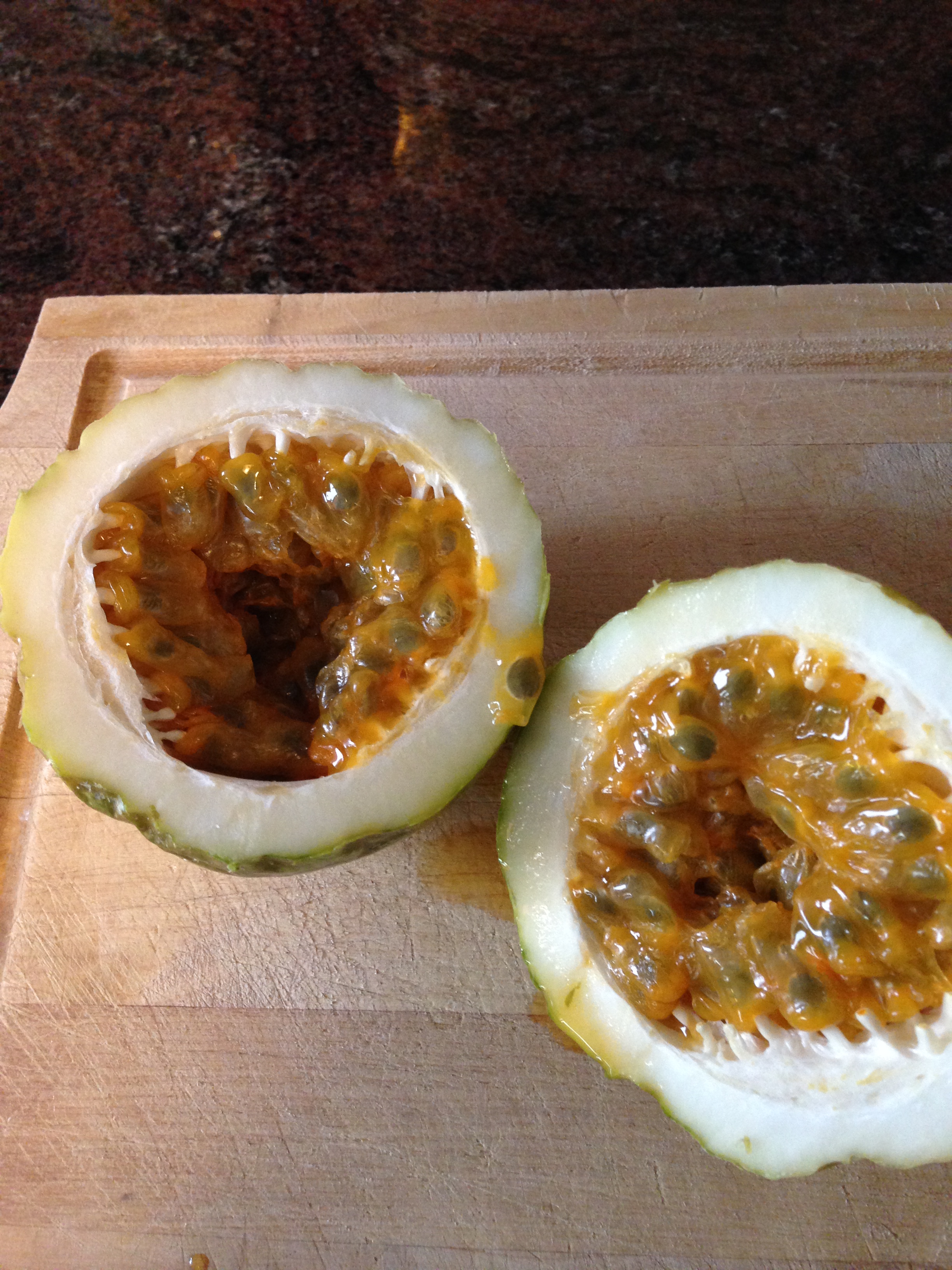
In the next few weeks, I plan to learn more about the work of EkoRural, which goes beyond these markets, supporting sustainable agriculture throughout the country, and substitute my weekly visit to the supermarket for an adventure to a Canasta Comunitaria.
[1] Ross M. Borja, Pedro Oyarzún, Sonia Zambrano and Francisco Lema. “Local food systems.” Farming Matters. June 2013. https://ekorural.files.wordpress.com/2012/02/20130625_fm_tzimbuto.pdf.
[2] “Un Día Con la ‘Canasta Comunitaria’ de Riobamba.” EkoRural. http://ekorural.org/category/canastas-comunitarias/
[3] “Utopía.” The Permacyclists project. http://www.permacyclists.com/lang/es/utopia/
 On leading and being led