A few weeks ago, I visited the Mercado Artesanal La Mariscal with 2 objectives: buy gifts for my impending family vacation to northern Michigan and learn more about the sourcing of artisanal products in the city, the latter being one of the many objectives for my project with Extreme Response. La Mariscal is one of the most popular artisanal markets in the city with over 100 lots rented or owned by locals offering a variety of products, many brought from Otavalo, a popular tourist destination north of Quito. There, I met Margarita, a woman from Cotopaxi, who has been selling hand-painted bowls and platters in the market for 15 years. She told me that most of her family is helps to make the products while she is the primary salesperson.

Margarita is not in a unique situation as a female entrepreneur in Ecuador. In fact, according to the Indian Institute of Management Bangalore (IIMB) report Gender Asset and Wealth Gaps[1], there are more female entrepreneurs in Ecuador than male. But hold off on the girl-power fist pump because according to the World Bank, women in the LAC region often turn to entrepreneurship and the informal sector out of necessity, not entrepreneurial spirit. Limited opportunities in the private sector and their additional responsibilities, often forced on them by cultural norms that designate women as the primary caretakers, often push women to find more flexible work. And in Ecuador, as the IIMB report points out, there is a 26-percentage point gap between the proportion of businesses owned by women and the proportion of value of all business assets owned by women, meaning that female-run businesses are much less well capitalized than those of men. What causes this gap? For an explanation, we return to the World Bank. They report in Women’s economic opportunities in the formal private sector in Latin America and the Caribbean[2] that while government regulations can have a burdening effect on entrepreneurs of all genders, Latin American women often feel less capable of navigating the complex bureaucratic procedures—they report being less informed and are much less likely to have business skills training. To make matters worse, women in the region also report feeling less confident in applying for credit and for good reason—they’re often required to put up significantly more collateral than men.
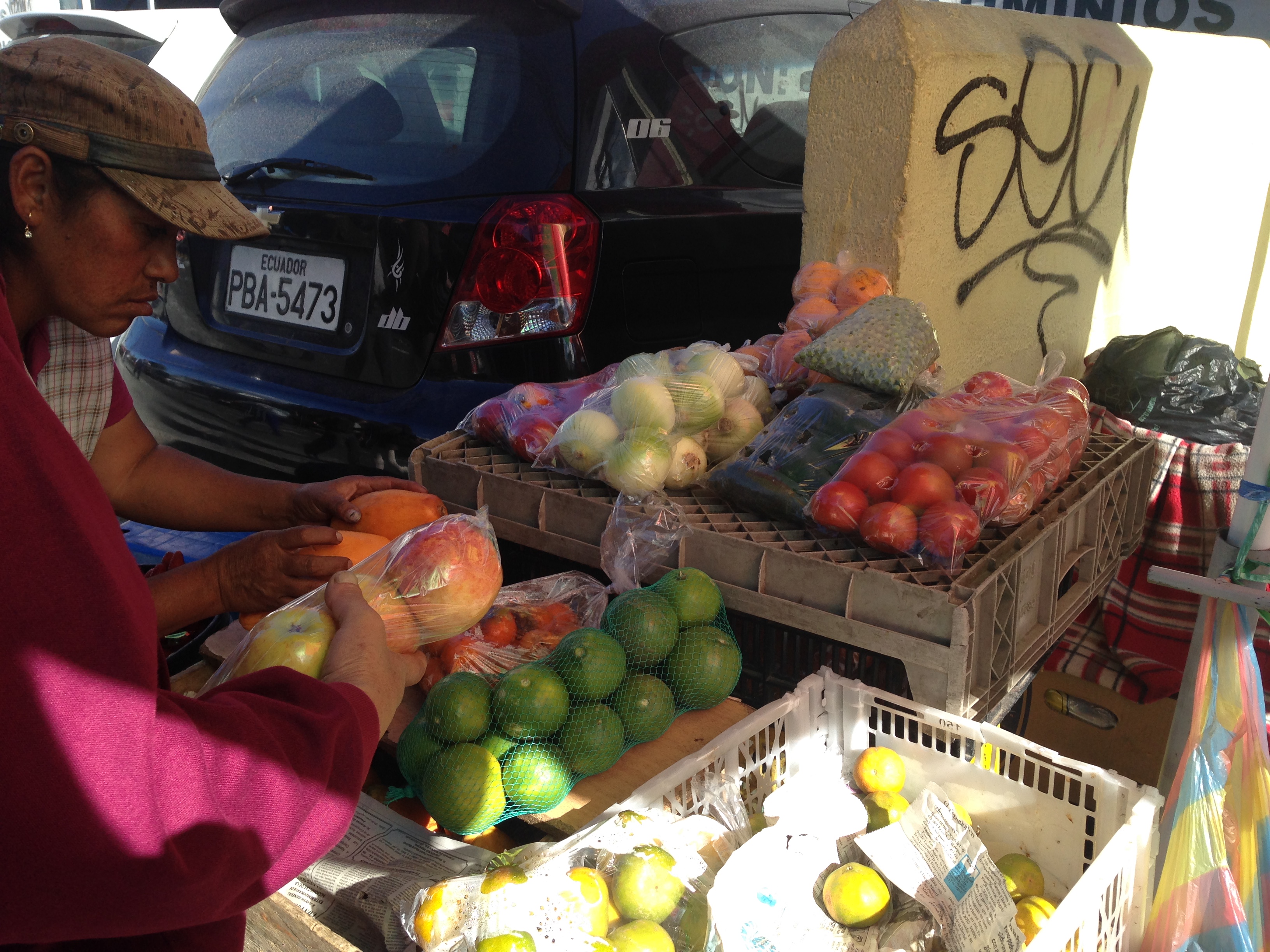
There are a number of women’s advocacy groups and NGOs in Ecuador that work toward equal economic opportunity for women. Perhaps one of the most innovative programs in Quito is called Mujeres emprendedoras. Run by Junior Achievement Ecuador, a foundation dedicated to improving education on business and entrepreneurship worldwide, the program partners with women’s groups from different organizations to improve financial management and other entrepreneurial skills. Once the participants have graduated from the curriculum, JA Ecuador assists them in seeking financial resources for their businesses, which often come in the form of microloans.
While non-profit organizations and financial institutions have taken a step in the right direction, more must be done to bridge this gap for female entrepreneurs and unlock the potential of businesses owned by women in Ecuador.
[1] http://www.genderassetgap.org/sites/default/files/The%20Gender%20Asset%20and%20Wealth%20Gaps%20%20Evidence%20from%20Ghana,%20Ecuador%20and%20Karnataka,%20India.pdf
[2] http://siteresources.worldbank.org/INTLACREGTOPPOVANA/Resources/840442-1260809819258/Book_Womens_Economic_Opportunities.pdf
 On leading and being led